
*’Others Found Wanting Would Also Face Disciplinary Action’
THE Federal Government, on Tuesday, March 24, threw more light on the circumstances surrounding the dismissal of some senior officers of the Nigerian Correctional Service (NCoS), including an assistant controller general, over the custody conditions of convicted crossdresser, Idris Okuneye, popularly known as Bobrisky, in 2024.
It stated that the action was a clear demonstration of its zero tolerance for corruption and abuse of power within correctional facilities.
Some NCoS officers were suspended in September 2024 after a leaked audio, released by social media influencer, Martins Otse, popularly known as VeryDarkMan (VDM), alleging that bribery to secure preferential treatment for Bobrisky during his six-month sentence.
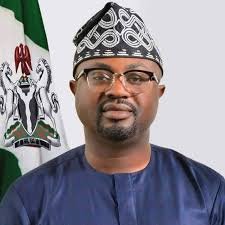
According to the Minister of Interior, Olubunmi Tunji-Ojo, the affected officers were dismissed after being found culpable of corruption, abuse of authority and other misconduct.
While insisting that they had breached the trust and ethical standards expected of them, Tunji-Ojo disclosed that other officials found wanting would also face disciplinary action, as the investigative panel on corruption and abuse of power winds down and submits its final report for implementation.
The minister stated these while declaring open a stakeholders’ engagement for the presentation and validation of the panel’s report on alleged corruption and other violations against the NCoS officials, at the Transcorp Hilton in Abuja.
The event was attended by the Attorney General of the Federation (AGF) and Minister of Justice, Lateef Fagbemi; President of the Nigerian Bar Association (NBA), Afam Osigwe; NCoS Controller General, Sylvester Nwakuche; and Chairperson of the panel and the ministry’s Permanent Secretary, Magdalene Ajani; Director General of the Legal Aid Council, Aliyu Bagudu; Executive Secretary of the National Human Rights Commission (NHRC), Tony Ojukwu; representatives of UNICEF and the Body of States Attorneys General and Commissioners for Justice.
The minister explained that the panel, inaugurated on November 24, 2024, spent 16 months carrying out extensive investigations, engagements and analysis aimed at uncovering systemic rot within the Service, adding: “The work of this panel represents a significant step toward strengthening transparency, accountability, and institutional integrity within our correctional system.
“We chose to confront the problem directly because we believe that every challenge presents an opportunity for lasting reform.”
He stressed the need for correctional centres to transcend custodial functions and become hubs of rehabilitation, reorientation and reintegration, saying the report would guide reforms addressing staff welfare, infrastructure, service delivery and alignment with global standards.
The minister lamented systemic pressures on federal correctional facilities, disclosing that over 67 per cent of inmates are awaiting trial, while over 90 per cent are state offenders, a development he said strains custody resources and complicates reform efforts.
He called for full adoption of non-custodial sentencing nationwide and disclosed ongoing rehabilitation and relocation of some correctional centres affected by urban expansion.
He commended the current NCoS leadership for its role in advancing reforms, calling for the full implementation of non-custodial measures as part of efforts to decongest correctional facilities nationwide.
Tunji-Ojo underscored ongoing rehabilitations of some correctional facilities across the country, saying government would relocate some of them, considering that urbanisation had caught up with them and solicited the collaboration of all levels of government.
He said partnerships with state governments were essential to relocate old custodial centres situated too close to residents, citing the Enugu centre, which is close to the Government Reservation Area (GRA); Akwa Ibom centre located opposite the Government House; Ibadan centre, sited in a market area; andIkoyi Custodial Centre, built in 1955, sharing a fence with Ikoyi Polo Club in Lagos, while the medium security custodial centre in Suleja, Niger State, was built in 1914.
Tunji-Ojo said the federal government would continue efforts to ensure that custodial centres served rehabilitation, reform, reintegration and correctional purposes.
Fagbemi described the panel’s work as a bold step aimed at restoring integrity in correctional management, saying its recommendations would significantly improve operations and accountability across the sector.
In his remarks, Nwakuche expressed gratitude for the inquiry, which he said was essential for rebuilding public trust, noting: “The establishment of this panel was not an act of condemnation; it was an act of accountability, and accountability is the foundation upon which trust between an institution and the society it serves must be built.”
Nwakuche said while some officers had failed in their duties, “the misdeeds of a few must not eclipse the honour of the many” who serve diligently under challenging conditions.


