

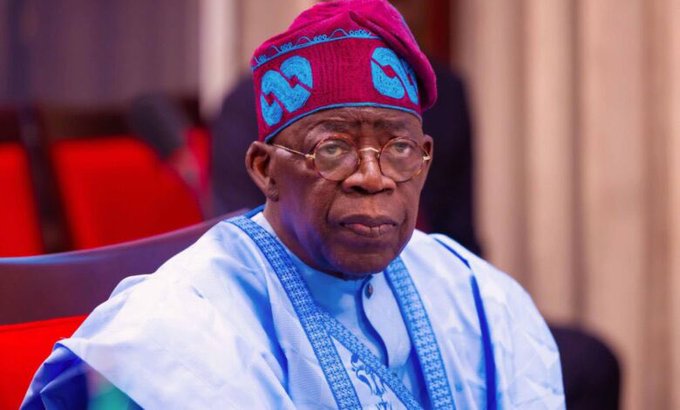
THE Presidency, on Thursday, May 28, insisted that the economic reforms introduced by the President Bola Tinubu administration and its policies rescued Nigeria from fiscal collapse and put it on a sustainable path of growth and development.
In his defence of the administration’s record, Special Adviser to the President on Information and Strategy, Bayo Onanuga, said despite criticisms and sustained opposition attacks, the administration had achieved significant achievements in its three years in office through difficult, but necessary reforms, saying Tinubu “took the bullets” required to stabilise Nigeria’s economy and restore confidence in governance.
Onanuga stressed that the administration inherited a troubled economy in May 2023, characterised by acute fuel scarcity, unsustainable fuel subsidy payments, multiple exchange rates, crippling debt-service obligations and widespread fiscal distress across states.
He stated that many states struggled to pay salaries and pensions before the current administration introduced reforms that increased allocations to subnational governments, adding: “States that hitherto were unable to pay salaries by May 2023, with months of unpaid obligations to workers and pensioners, are now doing so with ease and embarking on major infrastructure projects.”
The presidential aide said the improved financial standing of states was due to the administration’s removal of fuel subsidy, exchange rate reforms and restructuring of federation finances, with state governors across party lines acknowledging the impact of increased allocations on development projects in their states.
Onanuga said Tinubu acted swiftly upon assumption of office by removing fuel subsidy and liberalising the foreign exchange market, bold decisions that previous administrations avoided, noting that although the reforms initially triggered inflationary pressures and economic hardship, government remained committed to its long-term economic agenda.
He argued that the gains of the reforms had become increasingly evident in the economy, citing the performance of the Nigerian stock market, improved investor confidence and renewed foreign investments, as well as ongoing infrastructure projects across the country, including the Lagos-Calabar Coastal and Sokoto-Badagry Super Highways, which he called some of the most ambitious road projects undertaken since independence.
He stated that the administration’s handling of the power sector and focus on addressing structural constraints limiting electricity distribution, noting that the government had strengthened the national grid, supported metering programmes and moved to settle legacy debts owed to power generation companies, with over 2.5 million electricity meters distributed under the administration’s metering initiative.
Onanuga also listed social intervention programmes, such as the Nigerian Education Loan Fund (NELFUND) and CREDICORP, which have expanded access to tertiary education and consumer credit.
Published:

Related articles

Recent articles
